Speech-language pathologists, audiologists, and hearing aid dispensers play an essential role in supporting communication and hearing health in California. However, before practicing in these professions, you must have a valid practice license. The Speech-Language Pathology, Audiology, and Hearing Aid Dispensers Board regulates the practice of these professionals.
The board issues permits to individuals who have completed the necessary training and passed the licensing examination. As a licensed hearing aid dispenser or speech pathologist, you must follow the ethical and practice standards that the board sets. Failure to follow these regulations can result in disciplinary action by the board. The disciplinary action can include suspensions or even revocation of your license.
If you are reported to the board for professional or criminal misconduct, you must vigorously defend yourself to retain your license. At Fresno License Attorney, we provide expert legal guidance to clients facing professional license defense in Fresno, CA.
Roles and Responsibilities of Speech-Language Pathologists, Audiologists, and Hearing Aid Dispensers in California
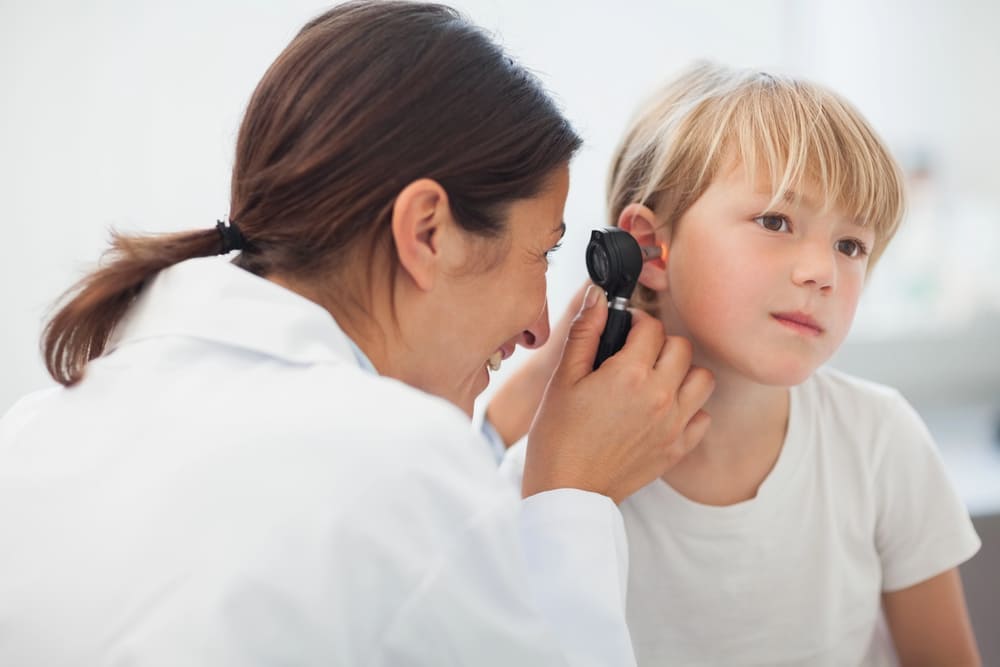
Speech-language pathologists, audiologists, and hearing aid dispensers collaborate to assist patients.
Speech-Language Pathologists (SLPs)
SLPs assist individuals with speech, language, and swallowing difficulties. Their key responsibilities include:
- Evaluating speech, language, and voice
- Diagnosing communication disorders
- Creating treatment plans based on each patient’s needs
- Providing therapy for articulation problems
- Treating stuttering and fluency disorders
- Working with language delays and comprehension problems
- Helping patients with swallowing disorders in medical settings
- Documenting treatment progress
- Educating families and caregivers on home strategies
- Working in schools, clinics, hospitals, and private practice
Audiologists
Audiologists specialize in hearing and balance. Their primary responsibilities in healthcare include:
- Performing hearing tests and advanced hearing evaluations
- Diagnosing hearing loss and balance disorders
- Identifying the type and level of hearing loss
- Recommending hearing aids and assistive devices
- Counseling patients on hearing protection
- Teaching communication strategies for hearing loss
- Treating balance and dizziness issues
- Fitting and programming hearing devices
- Maintaining a California state license and advanced training
Hearing Aid Dispensers
- Hearing aid dispensers focus on hearing aid services. Their responsibilities include:
- Performing basic hearing screenings
- Recommending appropriate hearing aids
- Taking ear impressions
- Fitting, adjusting, and programming hearing aids
- Teaching patients how to use and care for their devices
- Cleaning and maintaining hearing aids
- Handling repairs and minor adjustments
- Following California hearing aid sales and fitting rules
- Providing follow-up support for clients
The Speech-Language Pathology, Audiology, and Hearing Aid Dispensers Board in California (SLPAHD)
The SLPAHD protects the public by regulating the professions. The responsibilities of the board include:
Licensing Responsibilities
To operate as a speech pathologist or hearing aid dispenser in California, you must have a valid practice license. The Board reviews every license application. This is done by checking the applicant’s:
- Education
- Clinical training
- Licensing exam results
The board verifies that each applicant meets the minimum requirements before issuing the license. This protects the public from untrained or unsafe providers. The Board also manages the renewal process for all licensed professionals.
It requires ongoing continuing education. Additionally, it ensures that licensees complete their training before renewing their licenses. This role ensures practitioners stay updated on new laws, skills, and safety standards.
Enforcement Responsibilities
The Board receives and reviews consumer complaints. When a complaint raises concerns, the Board will open an investigation against the professional. The board gathers evidence, interviews witnesses, and reviews criminal records to determine the facts. If a professional acts unethically, the Board can issue disciplinary action. The sanctions may include:
- Fines
- License probation
- License suspension
- Revocation
These actions protect patients from harmful or negligent behavior.
Regulatory Responsibilities
The Board creates and updates the rules that guide licensed professionals. It sets ethical standards, supervision requirements, and advertising rules. Additionally, it updates regulations when laws change or new practices develop.
Public Education Responsibilities
The Board teaches the public how to verify licenses. Furthermore, it explains patient rights and offers information on how to file complaints. The information helps consumers make informed decisions.
Industry Collaboration Responsibilities
The SLPAHD works with other state and national organizations to maintain high standards. The collaboration helps keep California’s regulations consistent with national best practices.
Violations Committed by Speech-Language Pathology, Audiology, and Hearing Aid Dispensers
As a licensed professional, you can be reported to the board to face the disciplinary process for the following violations:
Criminal Convictions
For a licensed professional, facing a criminal conviction can affect one’s license and career. When the board learns about your conviction, it can launch an investigation against you. A conviction for the following offenses can jeopardize your audiology or speech pathology license:
- Fraud (Penal Code §550)
- Theft (Penal Code §484 and Penal Code §487)
- Assault or battery (Penal Code §240 and Penal Code §242)
- DUI (VC 23152)
- Child abuse (Penal Code §273)
- Identity theft (Penal Code §530.5)
Convictions for these offenses can result in the denial, suspension, or revocation of a license.
Obtaining a License by Fraud or Deceit
Obtaining a license through the use of false statements, forged documents, or misrepresentation is a violation of SLPAHD standards. This may include acts like lying about:
- Education
- Training
- Experience
- Exam results
The Board can deny or revoke your license for the fraudulent acts.
Substance Abuse or Impairment While Practicing
Using alcohol or controlled substances in a way that impairs professional duties is a violation of ethical standards. Practicing while impaired endangers patients. Such conduct may result in the suspension or revocation of the license.
Incompetence, Gross Negligence, or Repeated Negligent Acts
Negligence or incompetence can jeopardize your career. Acts of incompetence or negligence may include:
- Providing substandard care
- Failure to supervise assistants
- Poor record-keeping
- Abandoning patients
False or Misleading Advertising
The board regulates the scope of acceptable advertisements in the fields of speech pathology and audiology. Misrepresenting services, credentials, or qualifications can result in disciplinary action. Such actions may include:
- Claiming unearned degrees
- Exaggerating skills
- Promising results you cannot guarantee
Unlicensed Practice or Aiding Unlicensed Practice
Each professional must have a valid license from the SLPAHD to offer their services in California. Continuing to practice after suspension or revocation is unlawful.
Illegal Referrals, Kickbacks, or Fraudulent Billing
Accepting or offering money for patient referrals is a violation of the professional code of conduct set by the SLPAHD. The board treats violations involving fraud seriously.
Sexual Misconduct
As a speech pathologist or hearing aid dispenser, your relationship with your patients should remain strictly professional. Engaging in sexual misconduct and improper relationships with patients violates ethical boundaries. Such conduct can result in license discipline and criminal charges.
Disciplinary Process by the Speech-Language Pathology, Audiology, and Hearing Aid Dispensers Board in California
The disciplinary process at SLPAHD follows these steps:
Complaint
The disciplinary process by the SLPAHD begins with a complaint. A complaint may stem from:
- Patients
- Employers
- Coworkers
- Insurance companies
- Other agencies
- Law enforcement
The complaint explains what happened and why the person believes you violated board rules. The Board does not assume the complaint is valid at this point. Instead, it records the information and opens a file.
Initial Review
After receiving the complaint, the Board performs an initial review. The review involves checking whether the complaint falls within the board’s jurisdiction. If the issue is minor or outside the Board’s authority, the case may be closed. However, if the review suggests possible violations, the Board will proceed with the case. Although the review phase is quick, it determines whether you will face a formal investigation.
Investigation
If the Board sees potential violations, it begins an investigation against you. During the investigation, you have a right to be notified about the allegations. You will have up to 10 days to respond to the claims and inform the board of your intention to fight the allegations. An investigator will:
- Gather facts about the allegations
- Interview witnesses
- Review documents
The investigator may also request patient records, billing records, or treatment notes. The board may ask you to provide a written or verbal statement about the incident. This statement can be used later. Therefore, it pays to have legal representation during the disciplinary process. Once all the evidence has been collected, the investigator will prepare a report for the Board.
Stipulated Agreement
If the Board finds enough evidence that you committed the violation, it suggests a stipulated agreement. By signing the stipulated agreement, you acknowledge liability for any infringement. In exchange, the board imposes disciplinary action without holding a disciplinary hearing. If you enter the stipulated agreement, you can negotiate a favorable disciplinary action with the board. However, you should not enter into any agreements without consulting your attorney.
Administrative Hearing
If the case does not settle with a stipulated agreement, it moves to an administrative hearing. A hearing is similar to a trial, but it is held before an administrative law judge. Both sides can present witnesses, documents, and evidence to support their respective accounts of the events. The Board must prove the allegations. In return, you can challenge the evidence and explain your actions. After the hearing, the judge issues a proposed decision.
Final Decision
The Board reviews the judge’s proposed decision and can accept it, change it, or reject it. The final decision may revoke the license, suspend it, place it on probation, or clear the licensee of all allegations. This final decision becomes part of the public record.
Appeal
The board’s decision on your case is not always favorable. However, you can appeal it by filing a petition for reconsideration with the Board. You may also seek review in the California Superior Court through a writ petition. An appeal challenges legal errors in the case.
Disciplinary Action by the Speech-Language Pathology, Audiology, and Hearing Aid Dispensers Board
The goal of the board is to protect the public by maintaining proper ethical and practice standards. If the board finds you in violation, it can impose the following disciplinary actions:
License Revocation
License revocation is the most serious action you could face after a violation. This type of disciplinary action results in permanent loss of your license. In this case, you cannot practice in California again without reapplying and receiving board approval. Revocation is usually reserved for severe violations, such as:
- Criminal convictions for serious felonies
- Repeated negligence
- Serious ethical breaches
A revocation sends a strong message that public safety is the top priority.
License Suspension
License suspension temporarily bars you from practicing as a speech pathologist, audiologist, or hearing aid dispenser. The suspension can vary depending on the severity of the violation. A suspension allows you time to correct your behavior or complete requirements. During this period, you are not permitted to see patients or provide services. After completing the suspension period and following all the conditions set by the board, you can petition for reinstatement.
Probation
Probation allows a licensee to continue practicing under strict conditions. These conditions include:
- Random drug testing
- Avoid practicing in specific locations
- Regular check-ins
Probation protects the public while giving the professional a chance to improve.
Fines
The Board may impose monetary penalties after finding you liable for a violation. Fines may vary depending on the seriousness of the breach. They serve as punishment for current behavior and a deterrent for future violations. The board can combine fines with other disciplinary actions.
Public Reprimand or Citation
The Board can issue a formal notice of misconduct after a minor violation. The warning or reprimand does not affect your ability to practice. However, it may appear in public records. A reprimand serves as a warning to the licensee, informing the public about the violation.
Continuing Education or Training Requirements
The Board may require additional education or training after it finds you liable for a violation. This type of disciplinary action is common when you commit violations related to negligence or incompetence. Continuing education helps address knowledge or practice shortcomings. It may also include courses, workshops, or supervised training. This act aims to enhance professionals’ skills and ensure safe practice.
Find Expert Legal Insight Near Me
Your license is your ticket to practice as a speech pathologist, hearing aid dispenser, or speech pathologist. Unfortunately, you can lose your license and livelihood through disciplinary action by the board. These violations may include criminal convictions, unlicensed practice, negligence, and sexual misconduct.
When the board receives a complaint of such actions against you, it will investigate you and hold an administrative hearing. At this hearing, you can present a defense against the allegations. Your licensing board can suspend, revoke, or put your license on probation if it finds you liable for these violations. The disciplinary action that you face will vary depending on the nature of the breach.
If you or a loved one is facing an investigation by the SLPAHD, you will benefit from the legal insight we offer at Fresno License Attorney. Our seasoned attorneys will help you gather evidence and fight to secure a favorable case outcome. Call us at 559-388-5402 from Fresno, CA, to discuss your case.